
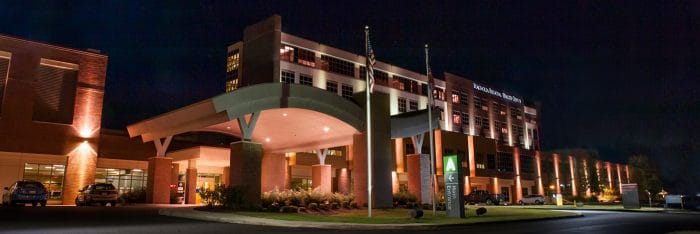
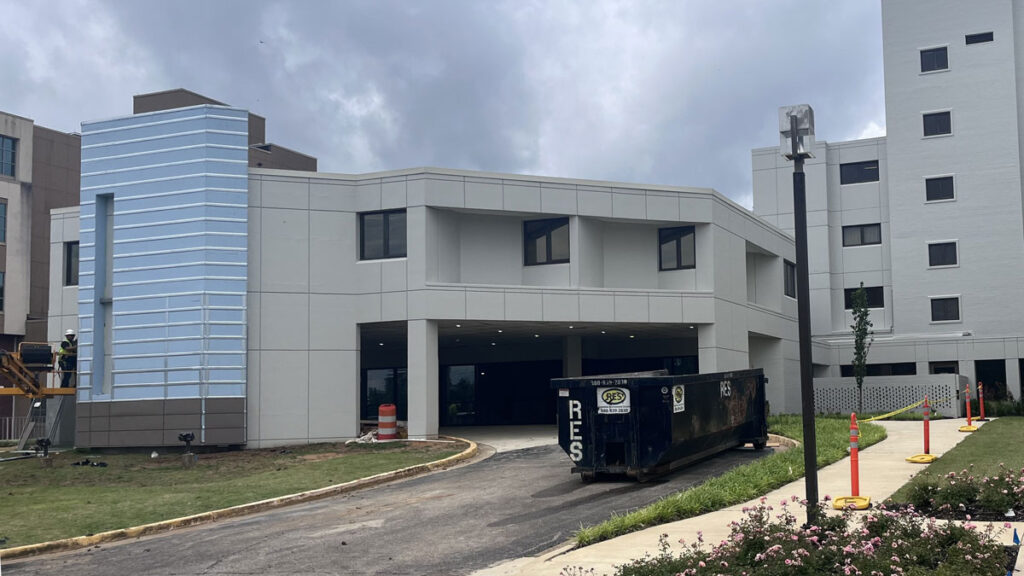
Magnolia Regional Health Center is continuing its investment in the future of healthcare with a major renovation and expansion of its surgical department. The project, which began last fall, is now nearing completion and represents a significant step forward in advancing surgical care for the region.
Designed to improve the patient experience, enhance efficiency for care teams, and support the latest medical technologies, the upgraded surgical area will help ensure MRHC continues delivering high-quality care close to home for years to come.
Reimagining the Surgical Environment
The hospital’s former operating room suite has been completely redesigned. The previous five operating rooms are being transformed into four larger, state-of-the-art surgical suites built to accommodate advanced technology and improve workflow for surgeons and staff.
These expanded rooms will create a more modern, functional environment while providing patients with an enhanced surgical experience.
Expanding Access to Advanced Robotics
A major highlight of the renovation is the dedicated space for MRHC’s two surgical robotic systems—the da Vinci XI and the da Vinci 5.
da Vinci XI Surgical System and da Vinci 5 Surgical System allow surgeons to perform minimally invasive procedures with enhanced precision, visualization, and control. The new surgical suites are specifically designed to support the continued growth of robotic-assisted surgery at MRHC.
Expanding Procedure Capabilities
In addition to the operating rooms, the project includes two upgraded procedure rooms for services such as eye surgeries, endoscopic procedures, and other less-invasive interventions. These additions will improve flexibility and efficiency across surgical services while helping meet the growing needs of patients in the region.
Enhancing Safety and Efficiency
The renovation also includes a new and expanded Sterile Processing Department located adjacent to the operating rooms. This updated space will feature advanced sterilization technology and improved workflows designed to support patient safety and surgical efficiency.
Improving the Patient Experience
Patients and families will also notice major improvements to the arrival and registration process. A redesigned entrance with a covered drop-off area will lead into a modernized waiting and check-in space, creating a more convenient and welcoming experience from the moment patients arrive.
Bringing Advanced Technology to the Region
The new operating rooms will feature CleanSuite technology, an advanced integrated system for sterilization, lighting, and equipment mounting. This level of surgical infrastructure is often found only in much larger healthcare facilities and reflects MRHC’s commitment to bringing leading-edge care to the local community.
Built With Input From Care Teams
Throughout the planning and design process, physicians, nurses, and clinical staff have helped shape the layout and functionality of the new surgical spaces. Their feedback has been instrumental in ensuring the new environment supports efficient workflows and excellent patient care.
Looking Ahead
As construction enters its final phases, MRHC is preparing to unveil several key components of the project. The new patient lobby is expected to open later this summer, while the newly renovated operating rooms are anticipated to open later this fall.
This investment marks another important milestone in the hospital’s mission to provide advanced, compassionate healthcare while continuing to grow alongside the needs of the communities it serves.
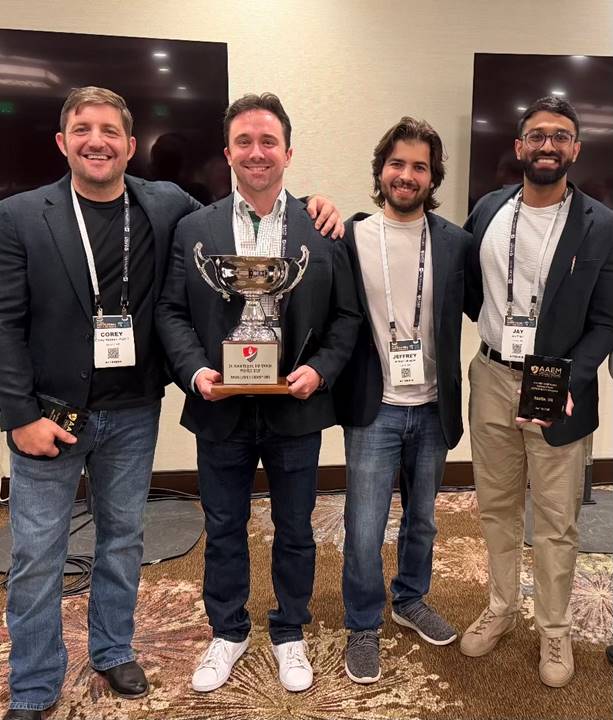
Magnolia Regional Health Center’s Emergency Medicine Residency program has earned international recognition after winning the prestigious Kevin Rogers World Cup at the American Academy of Emergency Medicine (AAEM) Games, held April 12 in Seattle, Washington.
Competing against leading emergency medicine programs from around the world—including teams traveling from as far as India—the Magnolia Regional team distinguished itself through a combination of clinical knowledge, teamwork, and performance under pressure.
The four-member team, competing under the name “Sweet Tea And Ketamine,” included residents Corey Abdeen, DO (PGY-3), Jeff Johnson, DO (PGY-2), and Jay Patel, DO (PGY-1), under the mentorship of faculty advisor Alex Hampton, MD, FAAEM.
The competition began with a rapid-paced emergency medicine knowledge round, where teams were required to complete a 40-question exam in just 10 minutes. Magnolia Regional advanced into the Top 8 and was placed into the simulation bracket, where participants are evaluated on real-time clinical decision-making in high-acuity scenarios.
In the simulation rounds, the Magnolia Regional team defeated Lakeland Regional before advancing to the Final Four, where they overcame defending champions Florida State University. In the championship round, they faced New York University’s team—winners of the ultrasound competition—and secured the overall victory to claim the international title.
“This team demonstrated exceptional composure, clinical reasoning, and teamwork at every stage of the competition,” said Dr. Alex Hampton, faculty mentor. “Watching them compete against top programs from around the world and come out on top was an incredible moment and a testament to their hard work and preparation.”
In addition to the team’s championship win, MRHC EM residents also earned national recognition in the AAEM Poster Competition.
Samantha Castillo, DO (PGY-3), was selected as a Top Poster presenter—ranking among the top 12 in the nation—for her project titled “May-Thurner Who?” Jay Patel, DO (PGY-1), also had a poster accepted for presentation, titled “Saved By The Bell’s Palsy.”
Hospital leadership noted that these accomplishments underscore the growing reputation of Magnolia Regional Health Center’s residency program on a national and international stage.
Wendy Hurley, Administrative Director of Graduate Medical Education, highlighted the significance of the achievement for both the institution and the community.
“This is a proud moment for our institution and our community,” Hurley said. “Our residents are not only excelling in competition but are also contributing to the advancement of emergency medicine through research and academic achievement.”
Magnolia Regional Health Center continues to expand its role in graduate medical education, with a focus on excellence in patient care, innovation, and physician training.
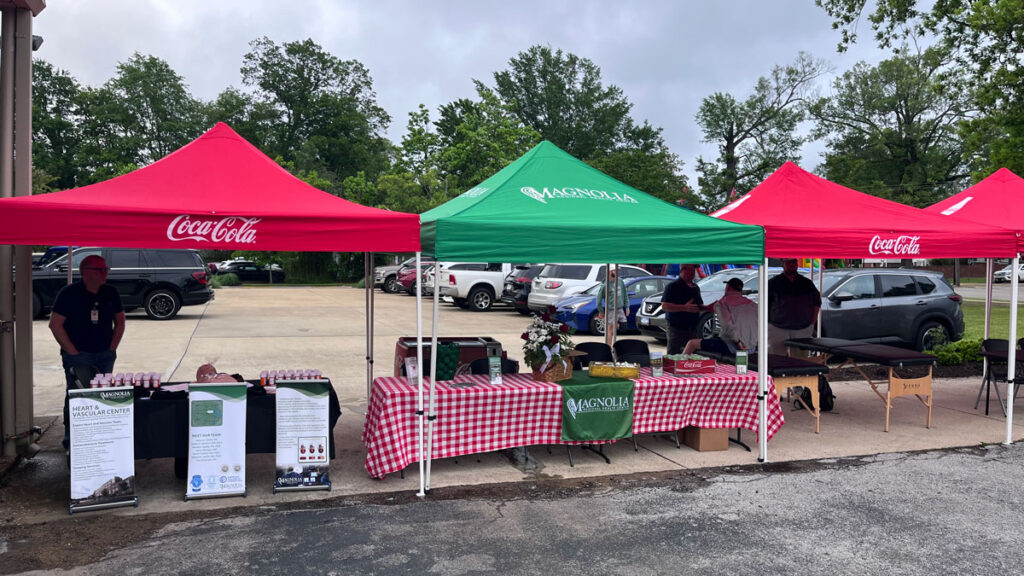
Magnolia Regional Health Center is pleased to announce that a member of our Cardiology team will be present at the Coke 10K Race on Saturday, May 2, in downtown Corinth, providing blood pressure and pulse checks for attendees.
In addition to these screenings, visitors are invited to stop by our information table, where we will be sharing valuable resources on early heart attack care, hands-only CPR, maintaining a healthy diet, and smoking cessation.
This is a great opportunity to take a proactive step toward better heart health and learn simple, life-saving techniques. We look forward to seeing you there!

A team at Magnolia Regional Health Center is helping lead the way in improving patient care beyond the hospital through innovative research on medication adherence.
Led by Hospitalist Director Ben Long, MD, alongside MRHC team members Rebekah McPheters and Steven Burton, the study explored how SMS text message reminders can help patients with congestive heart failure stay on track with their medications after discharge.
In collaboration with DrFirst, the team addressed a widespread issue in healthcare: approximately one in five prescriptions are never filled following hospitalization, and nearly half are left at the pharmacy.
Over the course of the study, the team analyzed outcomes across two phases—a 2.5-year pre-intervention period with no messaging, followed by a 2.5-year post-intervention period where patients received SMS reminders. These messages not only encouraged patients to pick up their prescriptions but also provided education about the importance of their medications.
The results showed meaningful improvements. Patients who engaged with the SMS messages saw prescription fill rates increase by 19% or more, along with a 6% reduction in the likelihood of hospital readmission. Overall engagement reached 90%, an especially notable achievement given the average patient age of 76.
“This study highlights how small, accessible interventions can make a meaningful difference in patient health,” said Dr. Long. “Our goal at MRHC is to provide the best care possible—not just while patients are in our hospital, but as they transition home.”
The simplicity of the intervention was key to its success. The SMS reminders required no sign-up or additional steps for patients, and no added burden for providers, making it an easy and scalable solution.
“This was truly a team effort,” Dr. Long added. “Working alongside Rebekah McPheters and Steven Burton, and in partnership with DrFirst, allowed us to better understand how we can reach patients in a simple but impactful way.”
Dr. Long recently presented the team’s findings at a medical conference in Las Vegas, highlighting how this approach can be adopted by hospitals across the country to improve patient outcomes.
This study showcases the innovation and dedication of MRHC providers and staff, demonstrating how thoughtful use of technology can lead to better outcomes and healthier communities.
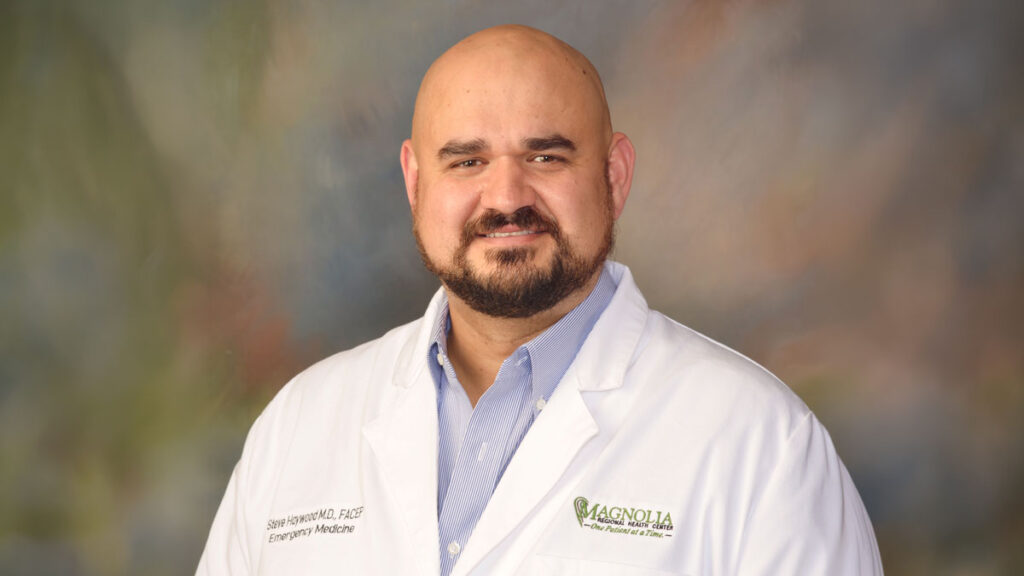
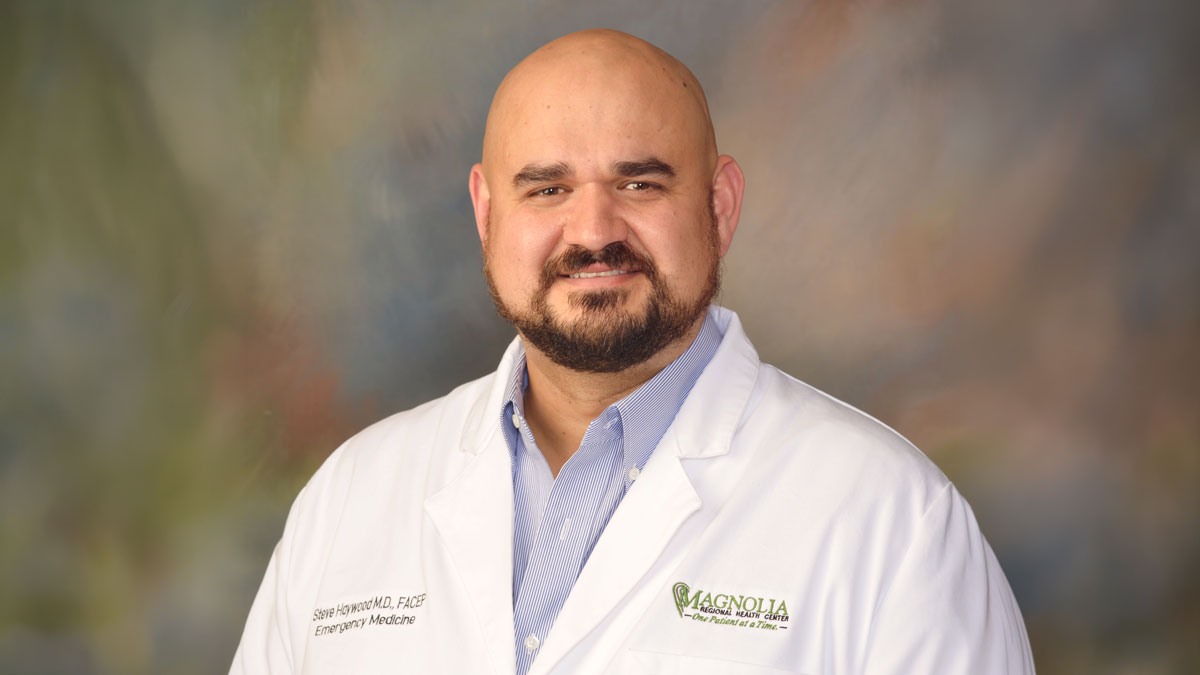
The Corinth community has one more reason to be proud.
Dr. Steven Haywood, MD, FACEP, an emergency room physician and Emergency Medicine Residency Program Director at Magnolia Regional Health Center, recently stepped in to help during a medical emergency while traveling through Orlando International Airport.
The day before their return trip, Dr. Haywood and Andrea Sanders, the Emergency Medicine Residency Program Coordinator, made a last-minute decision to switch to an earlier flight home. That change would soon place them exactly where they needed to be.
While waiting at their gate, an announcement came over the airport intercom asking if a doctor was nearby to assist with a child in distress. Without hesitation, Dr. Haywood rushed to the scene, with Sanders right behind him.
They found a young child, around one year old, whose condition had quickly changed. Acting immediately, Dr. Haywood cleared a nearby table, laid the child down, and began assessing and stimulating the child to improve breathing and responsiveness.
As the situation intensified, the child’s mother and sibling understandably became very upset. Sanders stepped in to comfort them, helping calm their fears and offering support during the frightening moments.
Just as Dr. Haywood prepared to begin CPR, the child suddenly became responsive again—reaching for a pacifier and returning to normal behavior. Shortly after, airport firefighters arrived and took over care.
At the start of the emergency, two other physicians approached and asked who was leading the response. After learning Dr. Haywood’s role and experience, they felt reassured knowing the child was in capable hands.
Afterward, several bystanders and airline employees expressed their gratitude and asked where the team was from. Sanders proudly shared they were from Magnolia Regional Health Center in Corinth. Many commented how thankful they were that Dr. Haywood and Sanders were there when it mattered most.
Moments like this serve as a powerful reminder that sometimes being in the right place at the right time can make all the difference. Because of a simple change in travel plans the day before, Dr. Haywood and Sanders were able to step in and help when it was needed most.
Corinth is fortunate to have dedicated providers like Dr. Haywood—individuals who represent our community with skill, compassion, and a commitment to helping others wherever they are.

At Magnolia Regional Health Center, our mission has always been simple: provide exceptional care close to home. One of the ways we fulfill that mission is through our robust medical education programs, which allow us to care for patients today while preparing outstanding physicians for the future.
You may notice resident physicians and fellows working alongside our attending doctors in the hospital and in our clinics. We want our community to feel confident and informed about who is providing their care—and why having physicians in training is a strength of our healthcare system.
What Is a Resident Physician or Fellow?
Resident physicians and fellows are medical doctors who have completed medical school and earned their MD or DO degree. Residents are continuing their training in a specific specialty through a residency program, while fellows have completed a residency and are pursuing advanced training in a subspecialty, such as cardiology.
At Magnolia Regional Health Center, these physicians are not practicing alone. They work under the close supervision of experienced, board-certified attending physicians who oversee every aspect of patient care. This team-based approach ensures patients receive safe, high-quality, evidence-based care at all times.
Our Residency and Fellowship Programs
Magnolia Regional Health Center is proud to offer advanced medical training through:
- Internal Medicine Residency Program
- Emergency Medicine Residency Program
- Cardiology Fellowship Program
Each program is designed to combine hands-on clinical experience with close physician mentorship, continuous evaluation, and the latest medical standards.
Internal Medicine Program Director, John Peyton Preece, D.O. FACOI, FACP says, “Our community based Internal Medicine residency delivers rigorous, hands-on clinical training through progressive autonomy, emphasizing bedside decision making and procedural excellence. Through robust scholarly activity, dedicated mentorship, and strong camaraderie, we prepare confident, compassionate physicians ready to lead in any practice setting.”
“In Corinth, Mississippi, we have the patient volume, systems, and faculty to provide outstanding emergency medicine training as the regional hub for North Mississippi. Our residents care for a population of more than 100,000 people, gaining high-volume experience, leading resuscitations, and training in an efficient, supportive environment. With nationally recognized faculty leadership and the right balance of acuity and responsibility, we deliver exceptional emergency medicine training while living and serving in a rural community.” Says Emergency Medicine Chair and Program Director, Steven T. Haywood, MD, RRT, FACEP.
“Our cardiology fellows are highly trained physicians who bring advanced knowledge and specialized skills to the patients we serve, working under the close supervision of our experienced cardiologists. Having this level of expertise within our hospital strengthens the quality of heart care available to our entire community. It is also beneficial to faculty as it keeps us up to date on the most cutting edge treatments,” says Paul Volanksy, DO, Cardiology Fellowship Program Director.
Why Training Doctors Matters to Patient Care
The best doctors don’t learn medicine from textbooks alone—they learn by caring for real patients, in real situations, with expert guidance. Residency and fellowship programs are a critical part of that journey.
Because physicians in training are actively learning, they:
- Take extra time to review cases thoroughly
- Stay up to date on the latest medical research
- Collaborate closely with supervising physicians
- Approach patient care with curiosity, compassion, and attention to detail
This layered model of care—physicians in training working alongside seasoned doctors—means patients benefit from multiple levels of expertise focused on their health.
Your Care Comes First
Patients at Magnolia Regional Health Center can feel confident knowing they are receiving the best care possible. Every diagnosis, treatment plan, and medical decision is carefully reviewed and guided by experienced physicians who are committed to patient safety and clinical excellence.
By welcoming residents and fellows into our hospital and clinics, we are not only meeting today’s healthcare needs—we are investing in the future of medicine and ensuring our community will continue to have skilled, compassionate doctors for years to come.
Committed to Our Community and the Future
At Magnolia Regional Health Center, teaching and healing go hand in hand. We are proud to serve as a training ground for future physicians while continuing to deliver the high-quality care our patients expect and deserve.