

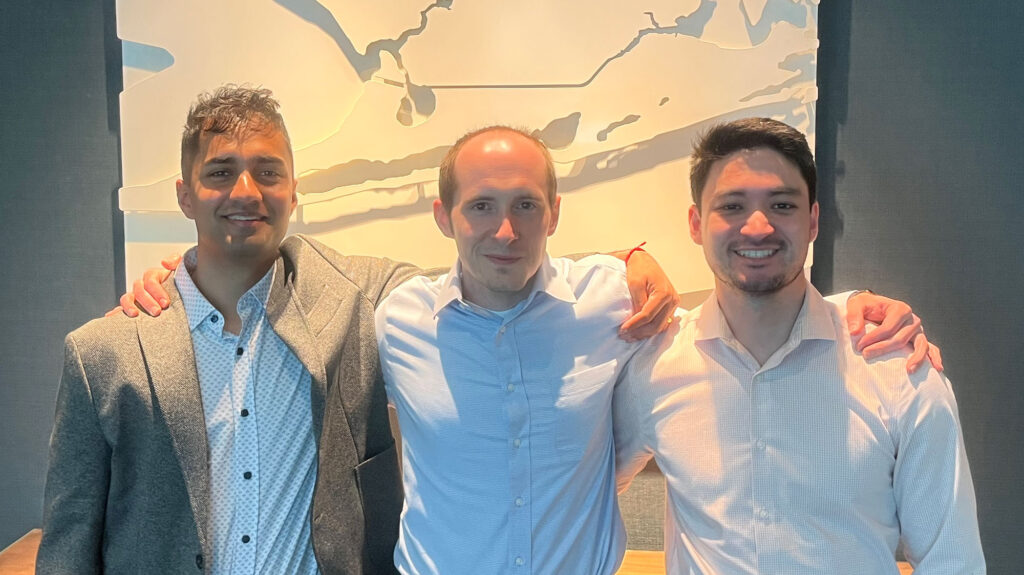
Magnolia Regional Health Center is proud to celebrate a significant achievement by members of its Internal Medicine Residency Program following the annual regional American College of Physicians (ACP) conference held June 5–7 in Gulf Shores, Alabama.
One of the conference highlights was Doctor’s Dilemma, a fast-paced, Jeopardy-style competition that brings together resident physicians from training programs across Mississippi and Alabama to test their medical knowledge, clinical reasoning, and teamwork skills. The competition provides an opportunity for residents to demonstrate the expertise they are developing through years of education and hands-on patient care.
Representing Magnolia Regional Health Center, Dr. Somesh Singh, Dr. Michael Tefertiller, and Dr. Andrew Dosdos competed against some of the region’s top residency programs. Team Magnolia advanced to the second day of competition as one of only five teams to do so.
Although the team did not capture the regional championship, they achieved an impressive distinction by becoming the highest-advancing team from Mississippi. As a result, they have been selected to represent the state of Mississippi at the national Doctor’s Dilemma competition next April.
This accomplishment reflects the dedication, knowledge, and professionalism of Magnolia’s resident physicians. It also highlights the strength of the Internal Medicine Residency Program and the exceptional attending physicians and faculty members who mentor and train residents each day.
At Magnolia Regional Health Center, resident physicians work alongside experienced physicians who are committed to providing outstanding patient care while fostering the growth and development of future healthcare leaders. Through rigorous training, collaboration, and real-world clinical experience, residents gain the skills necessary to care for patients with confidence and compassion.
The success of Team Magnolia serves as a testament to the quality of medical education available at Magnolia Regional and the commitment of both residents and faculty to clinical excellence.
Please join us in congratulating Dr. Somesh Singh, Dr. Michael Tefertiller, and Dr. Andrew Dosdos on this outstanding achievement. We look forward to supporting them as they represent Mississippi on the national stage next year.
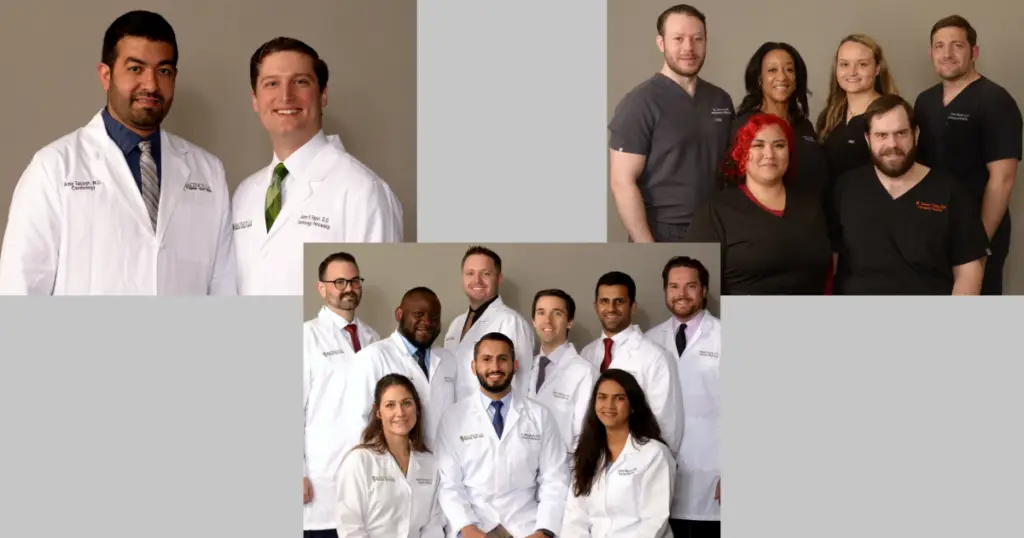
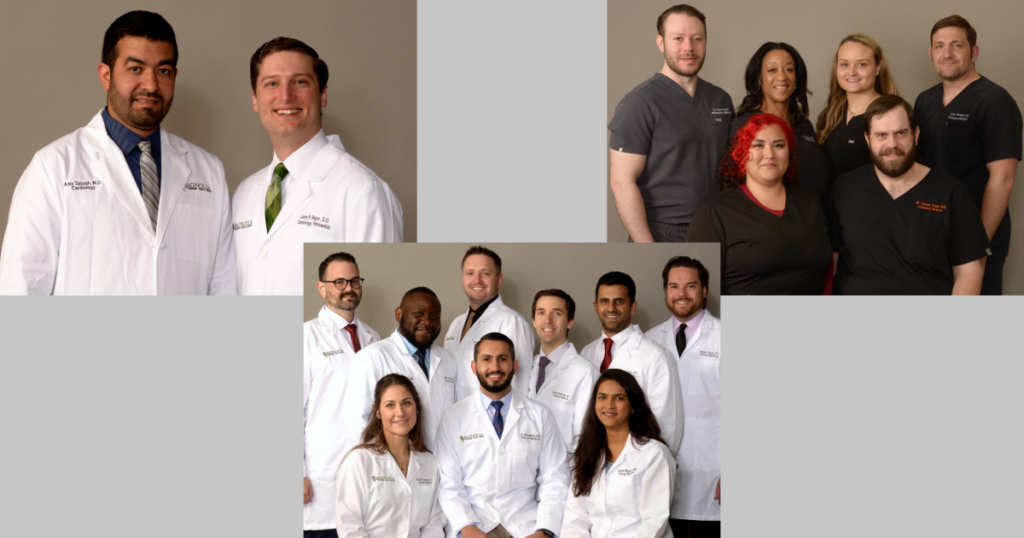
Magnolia Regional Health Center proudly recognizes the achievements of its 2026 graduating class of Internal Medicine Residents, Emergency Medicine Residents, and Cardiology Fellows. Over the past several years, these physicians have played an important role in caring for patients across Northeast Mississippi while becoming valued members of the Corinth community through their service, dedication, and involvement.
As they begin the next chapter of their careers, Magnolia Regional Health Center thanks them for their compassion, professionalism, and contributions to patients, colleagues, and the community.
Internal Medicine Residency Graduates
Ryder Costa, DO
Dr. Ryder Costa will be joining Helen Keller Hospital in Tuscumbia, Alabama, where he will practice as a Hospitalist. In addition, he will continue serving patients at Magnolia Regional Health Center on a part-time basis.
Ali Alzeghoul, MD
Dr. Ali Alzeghoul will begin his career as a Hospitalist at Baptist Memorial Hospital in Southaven, Mississippi.
Eric Sanji, MD
Dr. Eric Sanji will continue his medical training at the University of Tennessee Health Science Center in Memphis after matching into a Hematology and Medical Oncology Fellowship. He plans to pursue a career focused on oncology care, clinical research, and improving cancer outcomes in underserved communities both in the United States and globally.
Dana Hoffman, DO
Dr. Dana Hoffman, a Captain in the United States Air Force, will serve as an Internal Medicine physician at Nellis Air Force Base in Las Vegas, Nevada.
Austin T. Winegar, DO
Dr. Austin T. Winegar will relocate with his family to Oregon, where he will practice as a Hospitalist at a rural hospital in Baker City while being closer to extended family.
Adnan Zafar, MD
Dr. Adnan Zafar will join Allegheny Hospital in Pittsburgh as a Hospitalist. He looks forward to contributing to patient care while continuing to grow professionally in the field of Internal Medicine.
Srijana Mandal, MD
Dr. Srijana Mandal will begin the next chapter of her career as a Hospitalist serving patients in the Kentucky region.
Natalie Rentrop, DO
Dr. Natalie Rentrop will remain at Magnolia Regional Health Center as a Hospitalist and will continue working closely with the Graduate Medical Education program.
Mark Jason Grimes, MD
Dr. Jason Grimes will be heading to Cullman, Alabama, where he will serve as a Hospitalist at Cullman Regional Medical Center.
Emergency Medicine Residency Graduates
W. Tanner Cole, DO
Dr. W. Tanner Cole will be practicing Emergency Medicine in West Texas.
Kallee Kennedy, DO
Dr. Kallee Kennedy will be joining Lexington Medical Center in West Columbia, South Carolina. She also plans to continue pursuing initiatives aimed at improving women’s healthcare in the emergency department, particularly in rural areas of Mississippi.
Porscha Cobb, MD
Dr. Porscha Cobb will be relocating from Atlanta, Georgia, to begin practicing Emergency Medicine in Winter Haven, Florida.
Samantha Castillo-Mallory, DO
Dr. Samantha Castillo-Mallory will continue her medical training through an Emergency Psychiatry Fellowship at RUSH in Chicago, Illinois.
Alex Tankersley, MD
Dr. Alex Tankersley will join a community Emergency Medicine practice in Olympia, Washington.
Corey Abdeen, DO
Dr. Corey Abdeen will be working at River Oaks in Jackson, Mississippi, while also practicing part-time at Magnolia Regional Health Center.
Cardiology Fellowship Graduates
John P. Raper, DO
Dr. John P. Raper will continue his training at the University of Utah in Salt Lake City through a one-year fellowship in advanced cardiac imaging with a focus on cardiac CT and cardiac MRI.
Abdalaziz “Aziz” Tabash, MD
Dr. Aziz Tabash will continue his medical training at Harbor-UCLA in Los Angeles, California, through a one-year Interventional Cardiology Fellowship.
Graduate Medical Education continues to play an essential role in strengthening healthcare access in the region by bringing talented young physicians to the community. These programs not only help train the next generation of doctors, but also expand patient access to care, support local economic growth, and strengthen the long-term future of healthcare throughout Northeast Mississippi.
Magnolia Regional Health Center also looks forward to welcoming a new class of residents and fellows in July as Graduate Medical Education continues to strengthen healthcare access across Northeast Mississippi.

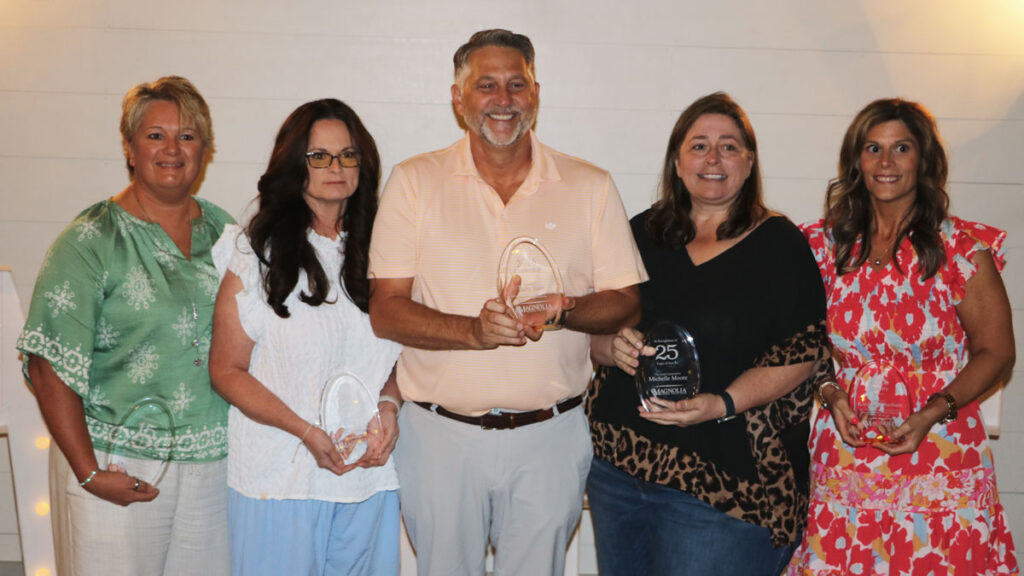
During May 10–16, Magnolia Regional Health Center proudly celebrated Hospital Week by honoring the incredible employees who make our mission possible every day. Throughout the week, team members enjoyed special events and tokens of appreciation including employee gifts and ice cream, smoothies, a catered lunch, recognition events, and MRHC swag goodie bags.
Hospital Week is a time to recognize the dedication, compassion, and excellence our employees bring to patients, families, and one another. We are grateful for every member of the MRHC family and the important role they play in caring for our community.
Employee Recognition Dinner & Awards
One of the highlights of the week was our Employee Recognition Dinner, where we celebrated years of service milestones and recognized employees and departments for outstanding achievements and leadership.
Years of Service Awards
15 Years
Alisha Basham
Ashley Clausel
Chris Clement
Susan Daniel
Sarita Delgadillo
Katey Ginn
Amanda Ham
Marilyn Holt
Haley Jones
Jonathan Mayfield
Aubry Morelock
Valerie Norton
Missy Rhodes
Galina Shalimova
Terri Thompson
Jessica Walker
Johnna Yarber
20 Years
Michelle Canten
Jennifer Carpenter
Debbie Chatham
Miriam Formsma
Jana Gifford
Traci Johnson
Amy Lambert
Tim Letson
Tracy Moore
Jill Pettigrew
Belinda Prather
Allen Reeves
Angela Shipman
Wendy Tigner
Doris Thompson
25 Years
Emily Bradley
Tim Burress
Tiffany Hight
Amanda Kerr
Debra Kirk
Amy Langston
Heather Lindsey
Teresa McCaulley
Terra McLemore
Michelle Moore
Alan Prentiss
Jennifer Stuart
30 Years
Heather Carnell
Katrina Ramos
Carol Sells
40 Years
Keith Suitor
Special Recognition Awards
Quality Award
Kimberly Basham
Dr. Preston Wright
Plant Technology
Citizenship Award
Amarri Harris
Dr. Steve Haywood
Food & Nutrition
Innovation Award
Rebekah McPheters
Dr. Ben Long
Case Management
Leadership Award
Anna Browder
Terry Bain
Brittany Taylor
Pursuit of Excellence Award
Holly Lutz
Amanda Ham
Dr. Ben Pettigrew
Change Agent of the Year
Elizabeth Willis
Jessica Puckett
Dr. Janet Buccola
Horizon Award
Bryant Gillespie
People Award
Joshua Watts
DAISY of the Year
Staci Whitaker
BEE of the Year
Rob Powell
Preceptor of the Year
Burley Ball
CI-Care Award
Candi Young
Employee of the Year
Heather Carnell
CEO Award
Brandon Gunn
At Magnolia Regional Health Center, our employees are the heart of everything we do. Their commitment to compassionate care, teamwork, innovation, and service excellence continues to make a difference in the lives of our patients and community every day.
Thank you to all MRHC employees for your hard work, dedication, and the countless ways you serve others. We are proud to celebrate you during Hospital Week — and every week of the year.
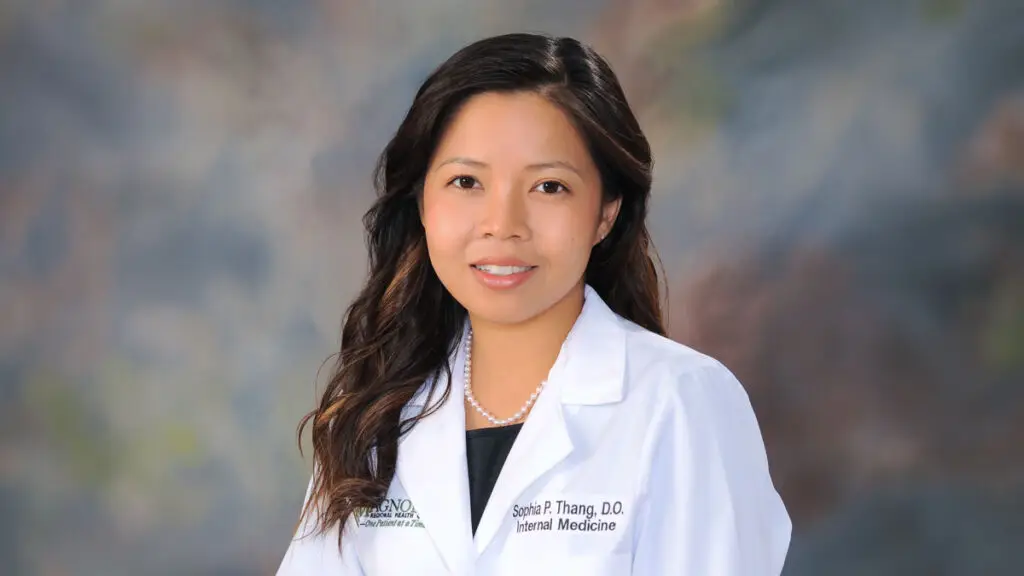
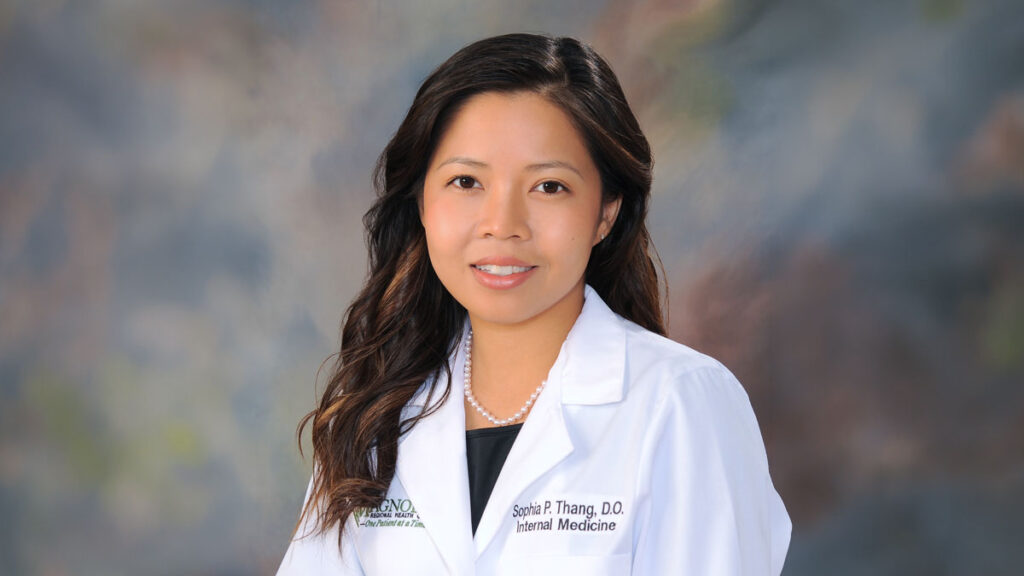
Magnolia Regional Health Center is pleased to announce that Sophia P. Thang, DO will be joining Magnolia Heart & Lung Clinic as an interventional cardiologist beginning this August, following the completion of her advanced fellowship training.
Dr. Thang’s upcoming arrival represents an important expansion of specialized cardiovascular services available to patients in Corinth and the surrounding region, bringing advanced interventional expertise closer to home.
Dr. Thang is a medical school graduate of Nova Southeastern University in Florida. She also holds both a Bachelor of Science and Master of Science in Chemical Engineering from the University of Houston. She completed her Internal Medicine Residency at Magnolia Regional Health Center, where she first began her postgraduate medical training. She then continued at MRHC to complete her Cardiology Fellowship, gaining comprehensive experience in cardiovascular care before pursuing subspecialty training in Interventional Cardiology.
She is currently completing her Interventional Cardiology fellowship at the prestigious Mount Sinai Fuster Heart Hospital in New York City, a world-leading cardiovascular center and one of the nation’s top training programs.
Upon completion of her fellowship, Dr. Thang will return to Corinth to join her husband, interventional cardiologist Paul M. Volansky, DO, FACC, and Nurse Practitioner Kim Marlar, CNP at Magnolia Heart & Lung Clinic.
Dr. Thang specializes in plaque modification and complex interventions, offering advanced treatment options that are not commonly available in many smaller communities. Her expertise will allow patients in the region to access highly specialized cardiovascular care without the need to travel to larger metropolitan centers.
In addition to her procedural expertise, she provides comprehensive care for a wide range of heart and vascular conditions through advanced diagnostics, treatment, and long-term cardiovascular management.
“We are excited to welcome Dr. Thang back to Magnolia Regional Health Center,” said MRHC Cardiovascular Surgeon and Chief Medical Officer, Dr. Jim Gilmore. “Her advanced training and commitment to patient care will significantly enhance the level of cardiovascular services available to our community.”
Patients may begin scheduling appointments with Dr. Thang now for visits starting in August.
For more information or to schedule an appointment, contact Magnolia Heart & Lung Clinic at 662-287-5218 or visit www.MRHC.org.
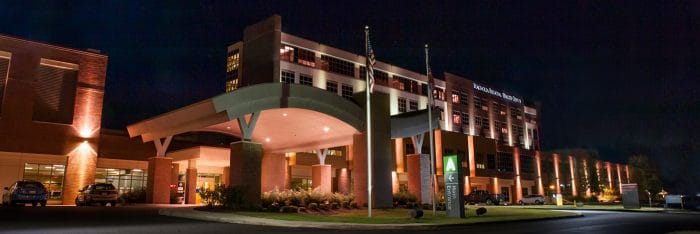
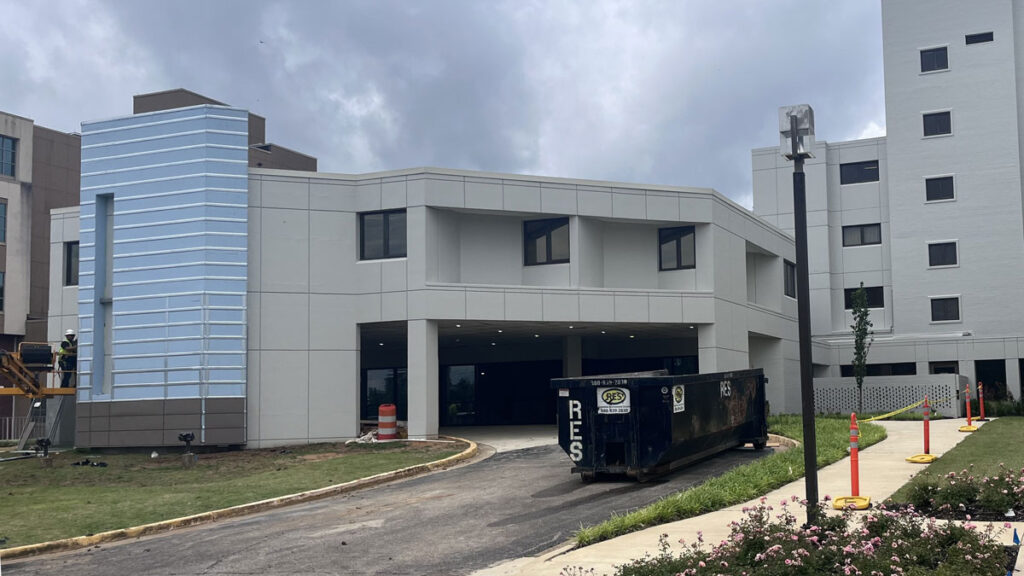
Magnolia Regional Health Center is continuing its investment in the future of healthcare with a major renovation and expansion of its surgical department. The project, which began last fall, is now nearing completion and represents a significant step forward in advancing surgical care for the region.
Designed to improve the patient experience, enhance efficiency for care teams, and support the latest medical technologies, the upgraded surgical area will help ensure MRHC continues delivering high-quality care close to home for years to come.
Reimagining the Surgical Environment
The hospital’s former operating room suite has been completely redesigned. The previous five operating rooms are being transformed into four larger, state-of-the-art surgical suites built to accommodate advanced technology and improve workflow for surgeons and staff.
These expanded rooms will create a more modern, functional environment while providing patients with an enhanced surgical experience.
Expanding Access to Advanced Robotics
A major highlight of the renovation is the dedicated space for MRHC’s two surgical robotic systems—the da Vinci XI and the da Vinci 5.
da Vinci XI Surgical System and da Vinci 5 Surgical System allow surgeons to perform minimally invasive procedures with enhanced precision, visualization, and control. The new surgical suites are specifically designed to support the continued growth of robotic-assisted surgery at MRHC.
Expanding Procedure Capabilities
In addition to the operating rooms, the project includes two upgraded procedure rooms for services such as eye surgeries, endoscopic procedures, and other less-invasive interventions. These additions will improve flexibility and efficiency across surgical services while helping meet the growing needs of patients in the region.
Enhancing Safety and Efficiency
The renovation also includes a new and expanded Sterile Processing Department located adjacent to the operating rooms. This updated space will feature advanced sterilization technology and improved workflows designed to support patient safety and surgical efficiency.
Improving the Patient Experience
Patients and families will also notice major improvements to the arrival and registration process. A redesigned entrance with a covered drop-off area will lead into a modernized waiting and check-in space, creating a more convenient and welcoming experience from the moment patients arrive.
Bringing Advanced Technology to the Region
The new operating rooms will feature CleanSuite technology, an advanced integrated system for sterilization, lighting, and equipment mounting. This level of surgical infrastructure is often found only in much larger healthcare facilities and reflects MRHC’s commitment to bringing leading-edge care to the local community.
Built With Input From Care Teams
Throughout the planning and design process, physicians, nurses, and clinical staff have helped shape the layout and functionality of the new surgical spaces. Their feedback has been instrumental in ensuring the new environment supports efficient workflows and excellent patient care.
Looking Ahead
As construction enters its final phases, MRHC is preparing to unveil several key components of the project. The new patient lobby is expected to open later this summer, while the newly renovated operating rooms are anticipated to open later this fall.
This investment marks another important milestone in the hospital’s mission to provide advanced, compassionate healthcare while continuing to grow alongside the needs of the communities it serves.
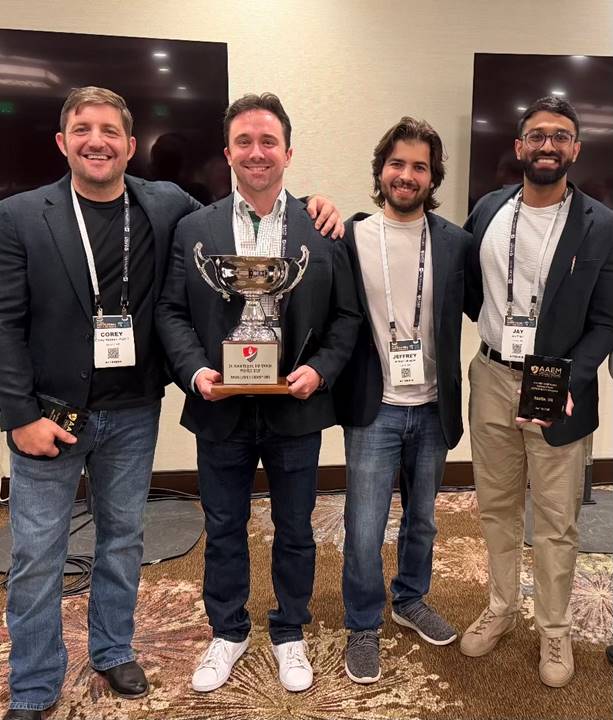
Magnolia Regional Health Center’s Emergency Medicine Residency program has earned international recognition after winning the prestigious Kevin Rogers World Cup at the American Academy of Emergency Medicine (AAEM) Games, held April 12 in Seattle, Washington.
Competing against leading emergency medicine programs from around the world—including teams traveling from as far as India—the Magnolia Regional team distinguished itself through a combination of clinical knowledge, teamwork, and performance under pressure.
The four-member team, competing under the name “Sweet Tea And Ketamine,” included residents Corey Abdeen, DO (PGY-3), Jeff Johnson, DO (PGY-2), and Jay Patel, DO (PGY-1), under the mentorship of faculty advisor Alex Hampton, MD, FAAEM.
The competition began with a rapid-paced emergency medicine knowledge round, where teams were required to complete a 40-question exam in just 10 minutes. Magnolia Regional advanced into the Top 8 and was placed into the simulation bracket, where participants are evaluated on real-time clinical decision-making in high-acuity scenarios.
In the simulation rounds, the Magnolia Regional team defeated Lakeland Regional before advancing to the Final Four, where they overcame defending champions Florida State University. In the championship round, they faced New York University’s team—winners of the ultrasound competition—and secured the overall victory to claim the international title.
“This team demonstrated exceptional composure, clinical reasoning, and teamwork at every stage of the competition,” said Dr. Alex Hampton, faculty mentor. “Watching them compete against top programs from around the world and come out on top was an incredible moment and a testament to their hard work and preparation.”
In addition to the team’s championship win, MRHC EM residents also earned national recognition in the AAEM Poster Competition.
Samantha Castillo, DO (PGY-3), was selected as a Top Poster presenter—ranking among the top 12 in the nation—for her project titled “May-Thurner Who?” Jay Patel, DO (PGY-1), also had a poster accepted for presentation, titled “Saved By The Bell’s Palsy.”
Hospital leadership noted that these accomplishments underscore the growing reputation of Magnolia Regional Health Center’s residency program on a national and international stage.
Wendy Hurley, Administrative Director of Graduate Medical Education, highlighted the significance of the achievement for both the institution and the community.
“This is a proud moment for our institution and our community,” Hurley said. “Our residents are not only excelling in competition but are also contributing to the advancement of emergency medicine through research and academic achievement.”
Magnolia Regional Health Center continues to expand its role in graduate medical education, with a focus on excellence in patient care, innovation, and physician training.